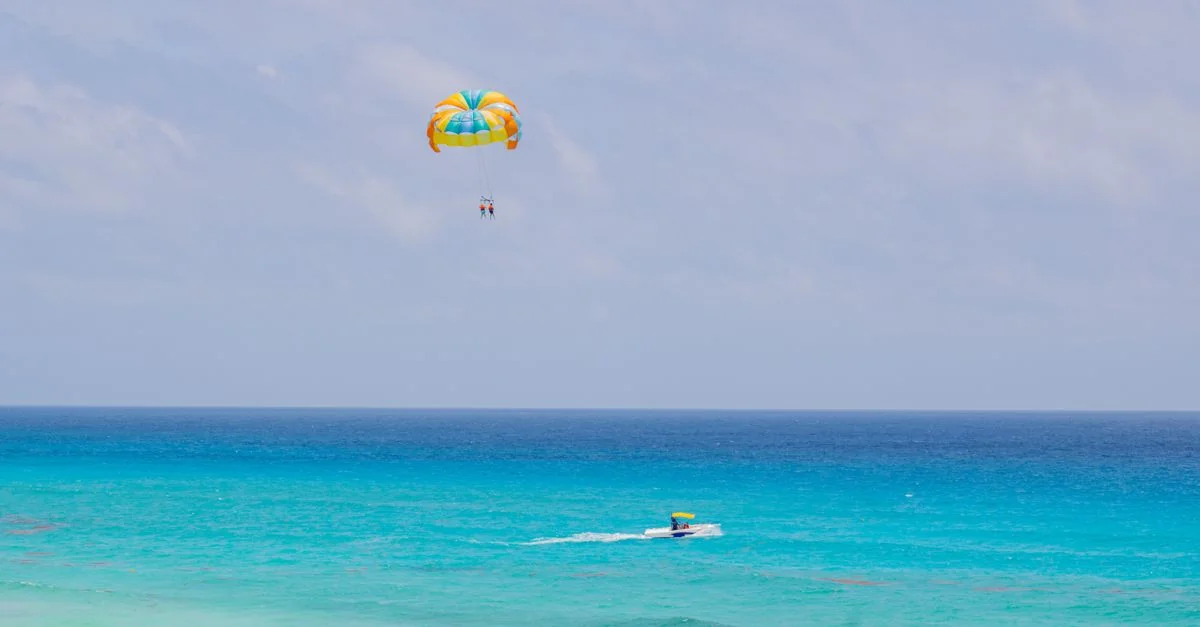
Salty spray stings my eyes the second the speedboat cuts across the turquoise chop, leaving a white-water wake trailing toward the horizon. When it comes to coastal action on the Caribbean coast of Mexico , this stretch of shoreline delivers serious aquatic entertainment. Why Playa del Carmen is Perfect for Water Activities # The geography here creates ideal conditions for surface sports and marine exploration. Protected by the proximity of Cozumel across the channel, the nearshore marine environment stays relatively accessible for boat departures and coastal swimming. The regional marine ecosystem hosts extensive reef structures, sea grass beds favored by green turtles, and calm lagoon waters further north.
The salt spray stings my skin as the boat cuts through the Caribbean , leaving a trail of turquoise foam against the deep indigo of the open sea. My hair is matted with brine, and the scent of seaweed and sun-warmed wood fills the air as we head toward the horizon. Cancun is defined by this interface between the land and the sea, where the limestone shelf drops off into the depths. Why Cancun is Perfect for Water Activities # The geography of this region creates a unique environment for those who want to spend their time on or under the surface. The proximity to the Mesoamerican Barrier Reef means that the marine life is dense and varied, while the inland cenotes offer a completely different geological experience. The water temperature rarely drops below 78 degrees Fahrenheit, making it comfortable to spend long hours in the ocean without a thick wetsuit.

The salt air clings to my skin as the rhythmic slap of the Atlantic against the Hilton Head shoreline provides a constant, low-frequency hum. Standing on the edge of the sand, watching the tide pull back to reveal wet, packed earth, I am reminded why this coastal destination remains a favorite for those who prefer their time spent on the water rather than on the golf course. The geography of the Lowcountry, with its intricate network of marshes and open sound access, creates a unique environment for those who want to get out on a boat and see the local wildlife. Why Hilton Head is Perfect for Water Activities # Hilton Head is defined by its relationship with the tides. The island sits in a position that allows for calm, protected waterways behind the barrier island, while the Atlantic side offers more exposure to the open ocean. This contrast is what makes the area functional for various boat-based activities. Because the island is surrounded by brackish estuaries and salt marshes, the water is often rich with nutrients, which in turn supports a significant population of Atlantic bottlenose dolphins.
The salty tang of the Atlantic clings to the warm coastal air as the morning tide gently laps against the wooden sea walls of Biscayne Bay. Miami sits at a unique geographical crossroads where the urban energy of South Florida meets vast expanses of protected wetlands, winding rivers, and the open expanse of the ocean. For anyone who measures a trip by time spent on or in the water, this city offers distinct aquatic environments that cater to different speeds of exploration. Why Miami is Perfect for Water Activities # The geography of Miami defines its maritime culture. To the east, Biscayne Bay provides a protected marine basin shielded from the heavy Atlantic swells by a string of barrier islands, creating a natural training ground for sailing and paddling. Just a short journey to the west lies the edge of the famous Everglades ecosystem, a sprawling wetland of sawgrass marshes and slow-moving rivers that offers a completely different kind of water experience.
The salt spray hits your face with a sharp, briny sting long before your feet even touch the damp dock wood, setting the exact tone for what awaits on the coast. When I plan a coastal trip focused strictly on getting out onto the salt, I look for spots where the marine environment dictates the entire rhythm of the day. Why Santa Cruz is Perfect for Water Activities # The geography here creates distinct micro-environments for aquatic pursuits, ranging from calm bay routes to open-ocean wildlife excursions. Mornings often start with a heavy, damp marine layer that burns off to reveal sharp sunlight hitting the surface, providing optimal visibility for anyone heading out onto the Pacific or nearby island tracks.
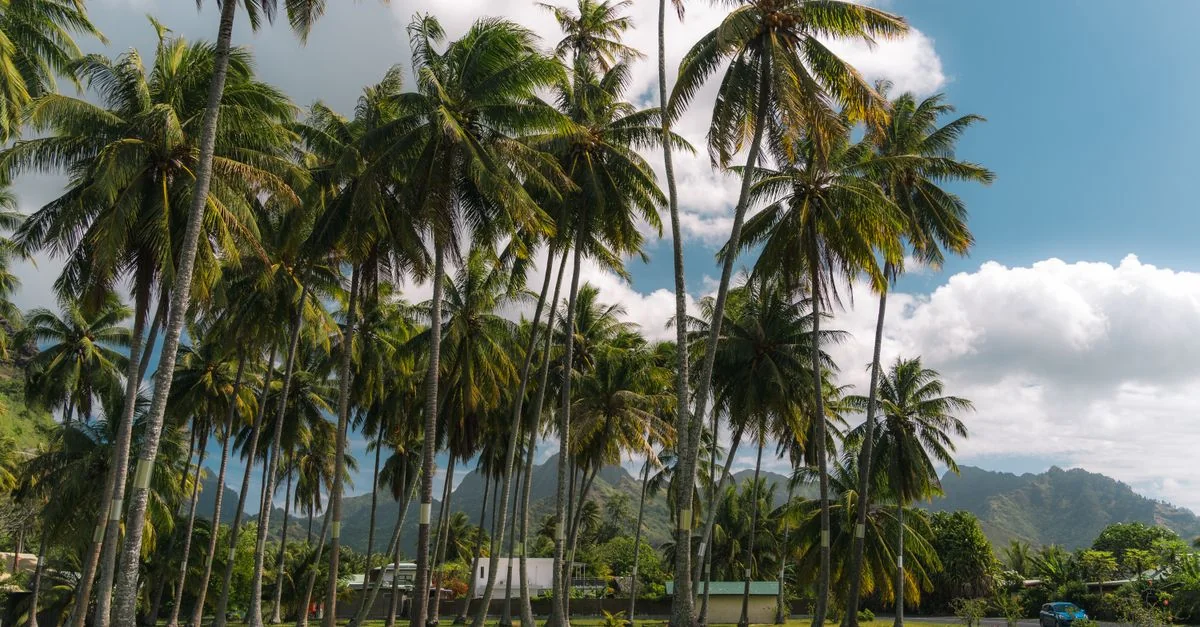
The first thing that hits you when you step onto Tahiti’s shoreline is the gentle hush of turquoise waves lapping against black‑lava sand, the salty breeze carrying a faint scent of tropical flowers. It’s a feeling that tells you you’re about to spend the day on water that feels both warm and inviting. Why Tahiti is Perfect for Water Activities # Tahiti’s position in the heart of the South Pacific gives it a reliable trade‑wind climate, which translates into steady breezes most mornings and calm seas by late afternoon. The island’s lagoon is protected by a coral reef that breaks the swell, creating safe conditions for paddling, snorkeling, and short sailing trips.
The distinct scent of salt spray hits my face the moment I step onto the Okinawan shoreline, mixing with the sharp breeze rolling off the Pacific. Fine white sand crunches beneath my bare feet while the tide laps rhythmically against the rocks, setting a steady pace for anyone eager to get out on the water. If you plan to spend your days floating, paddling, or diving along this Japanese coastline, knowing your options makes all the difference. Why Okinawa is Perfect for Water Activities # Okinawa’s coastal geography offers an ideal setup for aquatic recreation. The coastal layout protects numerous bays and shallow shores, making conditions favorable for both first-timers and experienced water enthusiasts. Whether you prefer skimming across the surface on a board or looking beneath the waves, the region provides consistent marine access.

The heavy, humid scent of river silt and wet teak wood hits the senses the moment you step down the concrete banks of the Mekong River in northern Laos . This is a landscape defined by the heavy, amber-toned currents of Southeast Asia ’s most iconic waterway, carving paths through ancient, jungle-draped karst peaks. When you travel to Luang Prabang , the water is not merely scenery; it is the moving highway, the cultural spine, and the ultimate popular with those who want to experience the riverine heartbeat of the region. Why Luang Prabang is Perfect for Water Activities # The geography of northern Laos creates a unique environment for aquatic exploration. Two major rivers—the Mekong and the Nam Khan—converge right at the tip of the peninsula, framing the historic UNESCO-listed town in a constant motion of water. Unlike coastal destinations built around salt spray and ocean swells, Luang Prabang offers a calmer, introspective style of water travel. The current here dictates the pace of life, moving past golden temples, rural fishing villages, and dense teak forests.
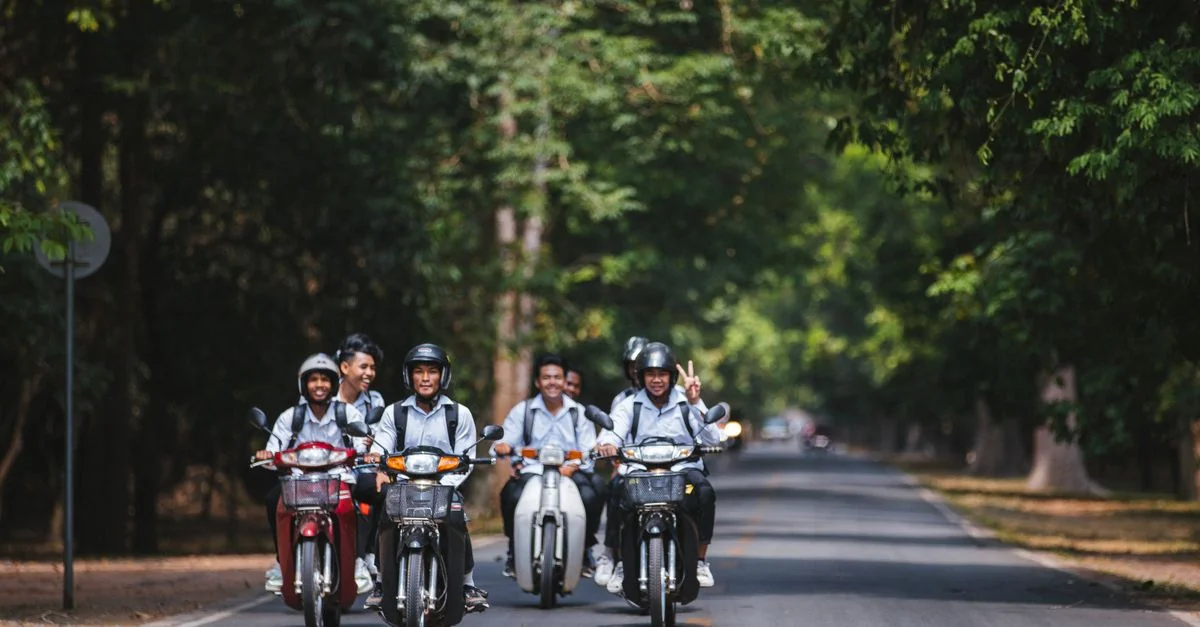
The heavy, humid air of Cambodia clings to my skin, carrying the earthy scent of mangrove mud and stirred-up river silt as my feet touch the edge of the floating wooden dock. Tonle Sap Lake does not offer the turquoise, see-through shallows found on tropical ocean coasts; instead, its water runs a deep, opaque amber, thick with the rich nutrients that sustain the entire region. When my hand breaks the surface, the water feels warm, almost bath-like, wrapping around my fingers as local fishermen pass by in narrow wooden skiffs, their engines humming low against the morning quiet. Why Siem Reap is Perfect for Water Activities # When most travelers picture Siem Reap, ancient stone temples and towering jungle roots come to mind. Yet, just a short journey south of the temple complexes lies Tonle Sap, Southeast Asia ’s largest freshwater lake. This body of water shifts dramatically with the seasonal monsoons, expanding and contracting across the Cambodian floodplain. Navigating this vast aquatic expanse provides an entirely different perspective on local life, away from the stone corridors of Angkor Wat .
The smell of rich mangrove mud and brackish river salt hits the back of my throat the moment I step onto the wooden docks of Kampot. The water here moves with a slow, thick current, stained the color of steeped black tea by the surrounding mountains and forests. When you dip a paddle into the river, the surface ripples outward in heavy, syrupy folds that reflect the fading pinks of the Cambodian sky. If you are planning a trip to this part of Southeast Asia and want to know how to get on the water, this guide covers everything you need to know about navigating the local river networks, choosing the right excursions, and making the most of your time on the coast.